In today's real estate market, the significance of a reliable HVAC system cannot be overstated. Homeowners and potential buyers alike recognize that a well-functioning heating, ventilation, and air conditioning (HVAC) system is not just a luxury but a necessity for comfortable living. An efficient HVAC system plays a crucial role in maintaining indoor air quality, regulating temperature, and ensuring overall comfort throughout the year. As such, understanding the importance of an HVAC system is essential for anyone looking to maximize their home's value.One of the primary benefits of having a modern HVAC system is its ability to enhance energy efficiency.
Older systems often consume more energy, leading to higher utility bills and a larger carbon footprint. In contrast, upgraded systems are designed with advanced technology that optimizes energy use, which can significantly reduce monthly expenses. This energy efficiency not only appeals to environmentally conscious buyers but also translates into long-term savings for homeowners.Moreover, an upgraded HVAC system can greatly improve the overall comfort of a home. With features such as programmable thermostats and zoning capabilities, homeowners can customize their heating and cooling preferences to suit their lifestyle.
This level of control is particularly attractive to potential buyers who prioritize comfort and convenience in their living spaces. Additionally, homes equipped with modern HVAC systems often have better air filtration and humidity control, contributing to healthier indoor environments.Ultimately, the condition and efficiency of your HVAC system can significantly influence your home's market value. A well-maintained and upgraded system not only enhances comfort but also serves as a strong selling point when it comes time to list your property. Buyers are increasingly looking for homes that offer modern amenities and energy-efficient solutions, making an investment in your HVAC system one of the smartest decisions you can make for your home’s future.
How an Upgraded HVAC System Increases Home Value
Upgrading your HVAC system can significantly enhance your home's market value, and understanding the reasons behind this can help you make informed decisions.One of the primary benefits of a modern HVAC system is its energy efficiency. Newer models are designed to consume less energy while providing superior heating and cooling capabilities. This not only translates to lower utility bills for homeowners but also appeals to environmentally conscious buyers who prioritize sustainability.Moreover, many prospective buyers are actively seeking homes equipped with advanced HVAC features. For instance, systems that include smart technology, such as programmable thermostats and remote access controls, are increasingly popular.
These features allow homeowners to manage their energy consumption more effectively, which can be a significant selling point. Buyers appreciate the convenience and potential cost savings associated with these modern upgrades.In addition to energy efficiency and smart features, the overall condition of your HVAC system plays a crucial role in determining your home's value. A well-maintained system not only ensures comfort but also instills confidence in potential buyers. If your HVAC system is outdated or shows signs of wear, it may raise red flags during home inspections, potentially leading to lower offers or even deterring buyers altogether.Furthermore, homes with upgraded HVAC systems often stand out in competitive real estate markets.
Buyers are more likely to choose a property that requires minimal immediate investment in essential systems like heating and cooling. This preference can lead to quicker sales and higher offers, making an upgraded HVAC system a wise investment for homeowners looking to maximize their property's value.In summary, the correlation between an upgraded HVAC system and increased home value is clear. By investing in energy-efficient models with modern features, maintaining your existing system, and understanding buyer preferences, you can significantly enhance your home's appeal and marketability.
Key Features That Attract Buyers
When it comes to attracting potential buyers, the features of modern HVAC systems play a crucial role in enhancing a home's appeal. Buyers today are increasingly discerning, often looking for specific attributes that not only improve comfort but also contribute to energy savings and environmental sustainability.Energy Efficiency Ratings
One of the most significant factors influencing buyer decisions is the energy efficiency of an HVAC system.Systems that boast high SEER (Seasonal Energy Efficiency Ratio) ratings are particularly attractive, as they indicate lower energy consumption and reduced utility bills. Buyers are more inclined to invest in homes equipped with energy-efficient systems, as these can lead to substantial savings over time. Additionally, many states offer tax incentives or rebates for homes with high-efficiency HVAC systems, further enhancing their marketability.
Smart Technology Integration
The integration of smart technology into HVAC systems has revolutionized how homeowners manage their indoor climates. Features such as smart thermostats , which allow users to control their heating and cooling remotely via smartphone apps, are highly sought after.These devices not only provide convenience but also optimize energy usage by learning the homeowner's schedule and preferences. Buyers appreciate the ability to monitor and adjust their HVAC systems from anywhere, making homes equipped with this technology more desirable.
Eco-Friendly Options
As environmental awareness continues to grow, many buyers are actively seeking eco-friendly HVAC solutions. Systems that utilize renewable energy sources, such as solar-powered heat pumps or geothermal heating and cooling, are particularly appealing. These options not only reduce a home's carbon footprint but also align with the values of environmentally conscious buyers.Furthermore, eco-friendly systems often qualify for various green certifications, which can enhance a property's value and marketability.
Advanced Air Quality Features
In addition to energy efficiency and smart technology, modern HVAC systems often come equipped with advanced air quality features. Buyers are increasingly aware of the importance of indoor air quality for health and well-being. Systems that include HEPA filters , UV light air purifiers, or advanced ventilation systems can significantly improve air quality by reducing allergens and pollutants. Homes that prioritize air quality through upgraded HVAC features can stand out in a competitive market.In summary, when considering upgrades to your HVAC system, focusing on energy efficiency ratings, smart technology integration, eco-friendly options, and advanced air quality features can significantly enhance your home's appeal to potential buyers.By investing in these key features, you not only improve your living environment but also maximize your home's value in the eyes of prospective purchasers.
The Role of Energy Efficiency in Home Valuation
In today's real estate market, energy efficiency has become a pivotal factor in determining a home's value. Homebuyers are increasingly aware of the long-term savings associated with energy-efficient HVAC systems, making these upgrades not just a matter of comfort but also a smart financial investment.One of the primary benefits of installing an energy-efficient HVAC system is the reduction in utility bills. Traditional heating and cooling systems can consume a significant amount of energy, leading to high monthly expenses. In contrast, modern systems are designed to operate more efficiently, utilizing advanced technology to minimize energy consumption.For instance, systems that are rated with a high Seasonal Energy Efficiency Ratio (SEER) or Annual Fuel Utilization Efficiency (AFUE) can provide substantial savings over time. Homeowners can expect to see a decrease in their energy bills, which not only enhances their quality of life but also makes the property more attractive to potential buyers.Moreover, homes equipped with energy-efficient HVAC systems often qualify for various green certifications. These certifications, such as ENERGY STAR or LEED (Leadership in Energy and Environmental Design), serve as credible endorsements of a home's sustainability features. Properties with such certifications are increasingly sought after in the market, as they signify lower environmental impact and operational costs.
Buyers are often willing to pay a premium for homes that have been recognized for their energy efficiency, further boosting the overall valuation.Additionally, the appeal of an energy-efficient home extends beyond just financial savings. Many buyers today prioritize sustainability and eco-friendliness in their purchasing decisions. An upgraded HVAC system that meets or exceeds current energy efficiency standards can significantly enhance your home's marketability. This is particularly true in regions where environmental consciousness is high, and buyers are actively seeking homes that align with their values.In conclusion, investing in an energy-efficient HVAC system not only leads to lower utility bills but also enhances your home's value through increased market appeal and potential green certifications.
As you consider upgrades to your home, focusing on energy efficiency can yield significant returns both financially and environmentally.
Popular HVAC Upgrades to Consider
When considering upgrades to your HVAC system, it’s essential to focus on features that not only enhance comfort but also significantly boost your home’s value. Here are some popular HVAC upgrades that can make a substantial difference:- Ductless Mini-Split Systems: These systems are increasingly favored for their flexibility and efficiency. Unlike traditional HVAC systems, ductless mini-splits allow for zoned heating and cooling, meaning you can control the temperature in individual rooms. This feature is particularly appealing to buyers looking for energy-efficient solutions that reduce utility bills while providing personalized comfort.
- Smart Thermostats: The integration of smart technology into home systems is a game-changer.
Smart thermostats learn your schedule and preferences, optimizing heating and cooling cycles to save energy. They can be controlled remotely via smartphone apps, allowing homeowners to adjust settings even when they’re away. This convenience not only enhances comfort but also attracts tech-savvy buyers who appreciate modern amenities.
- Advanced Air Purification Systems: With growing awareness of indoor air quality, advanced air purification systems have become a sought-after upgrade. These systems can significantly reduce allergens, dust, and pollutants, creating a healthier living environment.
Homes equipped with high-quality air purifiers are more appealing to families with children or individuals with respiratory issues, making them a valuable selling point.
- High-Efficiency Furnaces: Upgrading to a high-efficiency furnace can lead to substantial savings on heating costs. These furnaces use less fuel to produce the same amount of heat compared to older models. Potential buyers often look for homes with energy-efficient heating solutions, as they promise lower monthly expenses and a reduced carbon footprint.
- Variable Speed Air Conditioners: Unlike traditional units that operate at a single speed, variable speed air conditioners adjust their output based on the cooling needs of the home. This not only enhances comfort by maintaining consistent temperatures but also improves energy efficiency, making it an attractive feature for prospective buyers.
Not only do they provide immediate benefits in terms of comfort and efficiency, but they also represent a forward-thinking approach that resonates with today’s environmentally conscious buyers.
Maintaining Your Current HVAC System for Maximum Value
To ensure that your HVAC system continues to operate efficiently and retains its value, regular maintenance is essential. A well-maintained system not only enhances comfort but also prolongs the lifespan of the unit, ultimately saving you money in the long run.Routine Maintenance Tasks
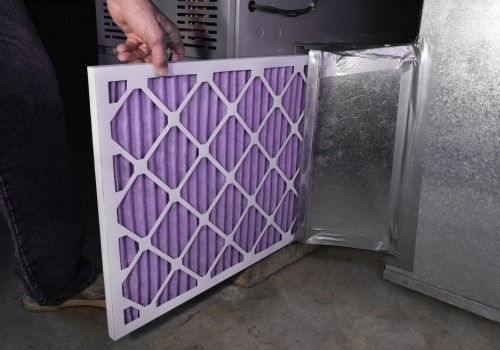
- Change Filters Regularly: One of the simplest yet most effective maintenance tasks is to change your air filters every 1-3 months. Clogged filters restrict airflow, making your system work harder and reducing its efficiency.
- Clean the Coils: Both the evaporator and condenser coils should be cleaned at least once a year. Dust and debris can accumulate on these coils, hindering their ability to absorb and release heat.
- Inspect Ductwork: Leaky ducts can lead to significant energy loss.
Regularly inspect your ductwork for any signs of wear or damage, and seal any leaks to improve efficiency.
- Check Thermostat Settings: Ensure that your thermostat is functioning correctly. Consider upgrading to a smart thermostat for better control over your HVAC system and energy usage. Ensure that your thermostat is functioning correctly. Consider upgrading to a smart thermostat for better control over your HVAC system and energy usage.
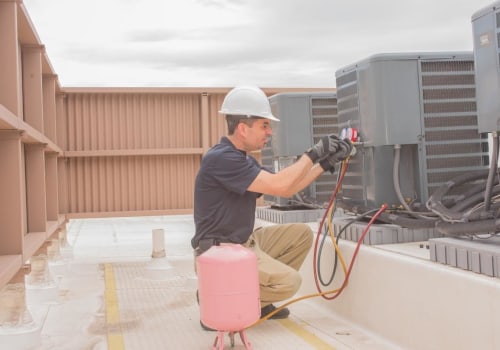
- Schedule Professional Inspections: At least once a year, have a qualified HVAC technician perform a comprehensive inspection of your system. They can identify potential issues before they become costly repairs.
Signs of HVAC Issues
Being proactive about maintenance means being aware of the signs that indicate your HVAC system may need repairs or upgrades. Here are some common warning signs:
- Unusual Noises: If you hear banging, clanking, or hissing sounds coming from your HVAC unit, it could indicate mechanical issues that require immediate attention.
- Inefficient Heating or Cooling: If certain rooms in your home are consistently too hot or too cold, it may be a sign of ductwork problems or an aging system.
- Increased Energy Bills: A sudden spike in your energy bills without a corresponding increase in usage can indicate that your HVAC system is working harder than it should be due to inefficiencies.
- Frequent Cycling: If your HVAC system turns on and off frequently, it may be short-cycling due to an oversized unit or other underlying issues.
When to Replace Your HVAC System
Determining the right time to replace your HVAC system is crucial for maintaining comfort in your home and maximizing its value.Several key indicators can help you assess whether it’s time for an upgrade.
Age of the System
One of the most significant factors to consider is the age of your HVAC system. Most systems have a lifespan of about 15 to 20 years. If your unit is approaching or has surpassed this age, it may be time to start thinking about a replacement. Older systems are not only less efficient but also more prone to breakdowns, which can lead to costly repairs.
Performance Issues
Another clear sign that your HVAC system may need replacing is persistent performance issues.
If you notice uneven heating or cooling throughout your home, strange noises, or frequent cycling on and off, these could be indicators that your system is struggling to operate effectively. Additionally, if you find that your energy bills are rising without a corresponding increase in usage, it may be a sign that your system is working harder than it should be.
Cost of Repairs vs. Replacement
When considering whether to repair or replace your HVAC system, it’s essential to evaluate the cost-effectiveness of each option. A good rule of thumb is the "50% rule": if the cost of repairs exceeds 50% of the price of a new system, it’s generally more economical to invest in a replacement.
This not only saves you money in the long run but also ensures that you benefit from improved energy efficiency and modern features.
Environmental Considerations
With increasing awareness around environmental sustainability, upgrading to a newer HVAC system can also contribute positively to reducing your carbon footprint. Modern systems are designed with energy efficiency in mind, often utilizing advanced technology that minimizes energy consumption while maximizing performance.
Conclusion
If you recognize any of these signs in your current HVAC system, it may be time to consult with a reputable HVAC company. They can provide a thorough assessment and help you explore options that fit both your budget and comfort needs. Investing in a new HVAC system not only enhances your home’s value but also ensures a comfortable living environment for years to come.
Choosing the Right HVAC Company for Your Upgrade
When it comes to upgrading your HVAC system, selecting the right HVAC company is crucial for ensuring a successful installation and maximizing your investment.With numerous options available, it can be overwhelming to determine which contractor will best meet your needs. Here are some essential tips to help you make an informed decision.
1.Research Local HVAC Companies
- Start by searching for best HVAC companies near me. Look for contractors with strong reputations in your area.
- Check online reviews and ratings on platforms like Google, Yelp, and Angie's List to gauge customer satisfaction.
- Ask friends, family, or neighbors for recommendations based on their experiences.
2.Verify Credentials and Experience
- Ensure the company is licensed and insured. This protects you from liability in case of accidents during installation.
- Look for contractors with extensive experience in HVAC installations, particularly with the type of system you are considering.
- Check if they have certifications from recognized organizations, such as NATE (North American Technician Excellence) or ACCA (Air Conditioning Contractors of America).
3.Request Detailed Estimates
- Obtain written estimates from multiple companies to compare pricing and services offered.
- Ensure that the estimates include all potential costs, such as labor, materials, and any additional fees.
- Avoid choosing solely based on price; consider the value of the services provided.
4.Ask Important Questions
During consultations, it's vital to ask the right questions to assess the contractor's expertise:
- What brands do you recommend and why?
- Can you provide references from previous clients?
- What is your warranty policy on both equipment and labor?
- How do you handle unexpected issues during installation?
- What maintenance services do you offer post-installation?
A well-chosen contractor not only enhances your home's comfort but also contributes to its overall value.
Frequently Asked Questions About Upgrading Your HVAC System
Upgrading your HVAC system is a significant investment, and it's natural to have questions about the process. Below are some of the most frequently asked questions homeowners have regarding HVAC upgrades.What are the benefits of upgrading my HVAC system?
Upgrading your HVAC system can lead to numerous advantages, including:- Improved Energy Efficiency: Newer systems are designed to consume less energy, which can significantly lower your utility bills.
- Enhanced Comfort: Modern HVAC systems provide better temperature control and air quality, ensuring a more comfortable living environment.
- Increased Home Value: A new HVAC system can boost your home's market value, making it more attractive to potential buyers.
- Reduced Maintenance Costs: New systems often require less frequent repairs and maintenance, saving you money in the long run.
How do I know if my HVAC system needs an upgrade?
There are several signs that indicate it may be time for an upgrade:- Your system is over 10-15 years old.
- You experience inconsistent temperatures throughout your home.
- Your energy bills have been steadily increasing without a change in usage.
- You notice unusual noises or odors coming from your HVAC unit.
What should I look for when choosing a new HVAC system?
When selecting a new HVAC system, consider the following factors:- Energy Efficiency Ratings: Look for systems with high SEER (Seasonal Energy Efficiency Ratio) ratings to ensure optimal efficiency.
- Size and Capacity: Ensure the system is appropriately sized for your home to avoid inefficiency and discomfort.
- Brand Reputation: Research reputable HVAC companies and their product offerings to find reliable options.
- Warranty and Support: Check the warranty terms and customer support services provided by the manufacturer.
How long does it take to install a new HVAC system?
The installation time can vary based on the complexity of the system and your home's layout. Generally, a complete installation can take anywhere from one day to several days. It's best to consult with your chosen HVAC company for a more accurate estimate based on your specific situation.If you have more questions or need personalized advice, don't hesitate to reach out to a local HVAC company.They can provide tailored recommendations based on your home's needs and help you make an informed decision about upgrading your system.
Conclusion: The Long-Term Benefits of an Upgraded HVAC System
In conclusion, investing in an upgraded HVAC system is not merely a matter of comfort; it is a strategic decision that can yield significant long-term benefits for homeowners. As we have explored throughout this article, the advantages of modern HVAC systems extend beyond immediate energy savings and enhanced indoor air quality. They play a crucial role in increasing your home’s market value, making it more attractive to potential buyers.One of the most compelling reasons to consider an upgrade is the growing emphasis on energy efficiency. Today’s HVAC systems are designed to consume less energy while providing superior performance.This not only translates to lower utility bills but also aligns with the increasing demand for sustainable living solutions. Homebuyers are increasingly prioritizing energy-efficient homes, and having a state-of-the-art HVAC system can set your property apart in a crowded market.Moreover, the comfort and convenience offered by modern HVAC technology cannot be overstated. Features such as smart thermostats and advanced air filtration systems enhance the living experience, ensuring that your home remains a sanctuary regardless of external weather conditions. These upgrades not only improve day-to-day comfort but also contribute to better health outcomes by maintaining optimal indoor air quality.Additionally, regular maintenance and timely upgrades can prevent costly repairs down the line.
An aging HVAC system is prone to breakdowns, which can lead to unexpected expenses and inconvenience. By investing in a new system or upgrading existing components, homeowners can enjoy peace of mind knowing that their heating and cooling needs are reliably met.Ultimately, the decision to upgrade your HVAC system should be viewed as an investment in your home’s future. The combination of increased property value, enhanced comfort, and improved energy efficiency makes it a wise choice for any homeowner looking to maximize their investment. As you consider your options, consulting with a reputable HVAC company can provide valuable insights tailored to your specific needs and local market conditions.In summary, the long-term benefits of an upgraded HVAC system are clear: improved home value, enhanced comfort, and greater energy efficiency all contribute to a more enjoyable living environment and a sound investment for years to come.